
Best Weight Loss Treatment Northampton: Medically Supervised, Localised, and Realistic Paths
The best weight loss treatment in Northampton typically means a medically supervised program - such as NHS-delivered dietetic services, supervised exercise plans, GLP-1 injections (e.g. Wegovy, Mounjaro, Ozempic, Saxenda) where eligible, or bariatric surgery (gastric sleeve or band) for higher-risk obesity. For most people, combining diet, physical activity, and long-term behavioural support works better than quick-fix pills or apps. In Northampton, access usually starts with a GP referral, especially if GLP-1 drugs or surgery are being considered.
Why Northampton's best treatment is medical, not just online
If you type "best weight loss treatment Northampton", Google and search summaries generally no longer highlight supplement brands or random gyms first. What ranks now are medically supervised programs: hospital-linked weight management services, diabetes/obesity clinics, and regulated GLP-1 prescribing pathways.
In Northampton, that means:
- NHS primary care (your GP) acts as a first gate, checking BMI, blood pressure, HbA1c, liver function, and cardiovascular risk.
- Local hospitals and specialist centres (Northampton General Hospital and regional obesity services) may offer structured group or 1-on-1 weight management plans.
- GLP-1 injections and bariatric surgery usually sit after lifestyle-focused programs, not before them, aligning with NICE guidance on obesity management.
So when people talk about "best weight loss treatment Northampton", they are referring less to a specific clinic name and more to a medically supervised, personalised, and step-by-step approach - one that can be tailored to Northampton life (commuting, town centre jobs, local schools, family routines). For broader context, compare the main paths in our best weight loss treatments in the UK guide.
What actually counts as successful weight loss in Northampton?
When people ask "what is the most successful weight loss treatment?", they are often hoping for one magic option. Evidence shows there is no single "best" treatment for everyone. The most consistently successful long-term approach in Northampton is a medically supervised plan that combines calorie-controlled eating, regular physical activity, behaviour change, and, when appropriate, medication (like GLP-1s) or bariatric surgery.
What medical research says about success
Large-scale studies (including NICE-backed trials) indicate that:
- Losing 5-10% of body weight over 6-12 months can meaningfully reduce blood pressure, blood sugar, and joint pain for many adults.
- Medically supervised programs (dietitian-led, GP-linked) tend to produce more stable results than solo efforts.
- GLP-1 receptor agonists (e.g. semaglutide, tirzepatide, liraglutide) can help people lose 10-15% of body weight on average, but they work best alongside diet and exercise, not instead of them.
- Bariatric surgery (gastric sleeve or band) can lead to 20-30% weight loss in the first 1-2 years, with long-term health benefits if lifestyle changes are maintained.
In Northampton, "success" therefore tends to mean:
- Clinically relevant weight loss (at least 5-10% of body weight).
- Sustainable changes you can keep up even when life gets busy.
- Better health markers: lower blood pressure, improved blood sugar, more mobility.
Medically supervised weight loss in Northampton
Medically supervised weight loss programs in Northampton usually involve assessment by a GP or obesity specialist, nutritional guidance (dietitian), physical activity prescription, and behaviour change or psychological support. These are often the first step before any GLP-1 injection or surgery is considered.
How medically supervised programs work
In Northampton, medically supervised weight loss might look like this:
First GP appointment to check:
- BMI, waist circumference.
- Blood pressure, cholesterol, HbA1c, liver function, thyroid function.
- Medication history (e.g., antidepressants, beta-blockers, steroids), which can affect weight.
- Mental health, sleep, stress, and family life, since these all influence eating habits.
Referral to local weight management or diabetes services (such as Northampton General Hospital-linked obesity/weight management teams or community health services).
- Group sessions on healthy eating, portion control, and physical activity.
- 1-on-1 support with dietitians or health coaches.
- Goal-setting (not "lose 20kg in 4 weeks", but "lose 5-10% of body weight over 6-12 months").
- Follow-up reviews every few weeks or months to adjust the plan, monitor progress, and manage side effects or motivation dips.
This approach is strongly recommended by NICE (NG246) on obesity management, which emphasises structured, evidence-based, and person-centred care rather than generic tips copied and pasted across 10 tabs.
Why this suits Northampton residents
Northampton is a mixed urban-suburban environment with:
- Local schools, shifts, commuting, and family routines.
- Access to local parks (e.g. Delapre Abbey, Sywell Country Park), leisure centres, and community groups.
Medically supervised programs can be tailored to these realities - for example:
- Adjusting meal plans for people with school runs or night shifts.
- Suggesting walking routes or circuits that fit around work or childcare.
- Linking people to local groups or free activities instead of prescribing expensive gym memberships.
GLP-1 injections in Northampton: Wegovy, Mounjaro, Ozempic, Saxenda
GLP-1 injections like Wegovy, Mounjaro, Ozempic, and Saxenda are commonly searched for people in Northampton, especially when trying to understand "where can I get Mounjaro in Northampton?" or "what qualifies you for Ozempic on the NHS?" These are not lifestyle hacks; they are prescription medicines, usually only available after a formal medical assessment and specific criteria.
What GLP-1 drugs are
GLP-1 receptor agonists mimic a hormone (glucagon-like peptide-1) that:
- Slows gastric emptying (you feel full longer).
- Reduces appetite and cravings.
- Helps lower blood sugar and, in some cases, improves blood pressure and lipids.
Commonly used options include:
- Semaglutide (brand names: Wegovy, Ozempic) - weekly injection, used for obesity (Wegovy) and type 2 diabetes (Ozempic).
- Tirzepatide (brand: Mounjaro) - weekly injection, originally developed for diabetes but now also studied and increasingly used in obesity; it has dual mechanisms (GLP-1 + GIP-related).
- Liraglutide (brand: Saxenda) - daily injection, approved for obesity in adults with a BMI >=30, or >=27 with at least one weight-related condition (e.g. hypertension, type 2 diabetes, dyslipidaemia).
How they typically fit into Northampton care
In Northampton, access to GLP-1 drugs usually follows this pattern:
Initial GP assessment
- Check BMI, medical history, and current meds.
- Rule out contraindications (e.g. pancreatitis, certain thyroid conditions, pregnancy, severe GI issues).
NHS or hospital-based obesity pathway (if eligible)
- Some patients may be offered GLP-1s via NHS-commissioned obesity services, especially if they have type 2 diabetes or very high BMI (often starting around BMI 35-40, depending on local guidelines).
- Eligibility is often BMI >=35 with at least one obesity-related condition (e.g. type 2 diabetes, high blood pressure, sleep apnoea), or BMI >=40 alone, with failed attempts at non-pharmacological weight management.
Titration and monitoring
- Doses are increased slowly to reduce nausea and GI side effects.
- Regular blood tests, weight checks, and side-effect monitoring (e.g. nausea, vomiting, changes in bowel habits, rare pancreatitis risk) are necessary.
Private or online clinics (additional options)
- Some people in Northampton may choose private GLP-1 prescribers, such as GPhC-registered online clinics or local obesity specialists.
- These services usually require video or in-person consultations, provide prescriptions, injections, and follow-up monitoring.
- Importantly, not all private clinics automatically share data with your GP, so it helps to ask for shared care if you want your GP team involved.
Compare medicine choices with Mounjaro versus Wegovy versus Saxenda and check eligibility context with the BMI calculator.
Safety, side effects, and long-term use
GLP-1s tend to be well-tolerated, but possible side effects include:
- Nausea, vomiting, diarrhoea, or constipation (often mild and improve with slow dose-up).
- Rare but serious risks: pancreatitis, gallbladder disease, or thyroid-related concerns (especially in people with a history of certain thyroid cancers).
Because of these, ongoing review with a clinician is important. Stopping the medication too abruptly can also lead to rapid weight regain for some people unless strong lifestyle habits are in place. Read our Mounjaro side effects UK guide for practical side-effect context.
Bariatric surgery options for severe obesity in Northampton
For people with severe obesity (BMI 40+ or 35+ with serious comorbidities), bariatric surgery such as gastric sleeve or gastric band may be considered as part of the best weight loss treatment in Northampton. These are not quick fixes - they are major procedures requiring long-term lifestyle changes.
What bariatric surgery involves
Common procedures include:
- Gastric sleeve (sleeve gastrectomy) - removing part of the stomach to reduce its size, which decreases hunger and limits portion size.
- Gastric band (adjustable band) - placing a band around the upper stomach to create a smaller pouch, slowing food intake.
After surgery, people usually:
- Lose 20-30% of body weight in the first 1-2 years, with many maintaining significant loss if they follow dietary and lifestyle advice.
- Need lifelong nutritional follow-up (vitamin and mineral supplements, blood monitoring) to avoid deficiencies.
How Northampton residents typically access bariatric surgery
Pathways in the UK, including for Northampton, usually follow this pattern:
- Referral from GP or obesity service to a regional bariatric centre.
- Assessment by a multidisciplinary team (surgeon, dietitian, psychologist, physician) to check eligibility, readiness, and support at home.
- Psychological and lifestyle assessment - to ensure people understand the long-term changes required.
- Surgery and post-op support - structured plans for diet, exercise, and mental health.
Due to limited NHS capacity, waiting lists can be long, and criteria may be strict (e.g. BMI >=40 or 35+ with serious comorbidities, after failed attempts at lifestyle-only or GLP-1-based therapy).
Practical, local-style weight loss support in Northampton
For many people in Northampton, the most practical way to lose weight is a mix of NHS-based or local health-profession-supported programs, realistic diet changes, and regular physical activity that fits family and work life. Short-term "crash" plans rarely work well long-term, and local parks, leisure centres, and community groups can be powerful allies.
Weight-friendly habits in Northampton life
Some realistic, everyday approaches that fit Northampton living:
Walking instead of driving short trips
- Northampton has parks, greenways, and local shopping centres that can be turned into 10-20-minute brisk walks.
- 150 minutes of moderate activity per week (as per WHO and NICE) can be split into 30-minute walks on 5 days.
Local leisure centres and activities
- Northampton Leisure Trust and local gyms, swimming pools, and group classes can help build strength and aerobic fitness.
- Strength-training (2 sessions per week) builds muscle, which can improve metabolism and reduce injury risk.
Market-style, local food swaps
- Choosing lean proteins, fruits, vegetables, and whole grains more often than ultra-processed snacks and fast food.
- Portion-control (e.g., smaller plates, stopping when comfortably full, not stuffed).
Sleep and stress
- Poor sleep and high stress can increase cravings and reduce motivation.
- Small habits (regular sleep hours, limiting screens before bed, simple relaxation or breathing techniques) can support weight loss indirectly.
If medication is part of your plan, our Mounjaro nutrition guide UK gives simple food structure that can be adapted locally.
What about quick results searches like lose 5kg in 7 days?
You may see searches like "lose 5kg in 7 days" or "lose 20kg in 5 months", but these are generally unrealistic and potentially unsafe if taken literally. Structured, medically supervised weight loss in Northampton typically aims for 0.5-1kg per week, or 5-10% of body weight over several months, which is safer and more sustainable.
Realistic timelines and expectations
Lose 5kg?
- With a consistent 500-calorie-per-day deficit and increased activity, this can take 5-10 weeks rather than 7 days.
- Faster loss can lead to muscle loss, fatigue, and nutrient issues if not monitored.
Lose 20kg in 5 months?
- This is closer to 1kg per week, which is possible for some people - especially with higher BMI, GLP-1s (when appropriate), or bariatric surgery - but only under medical supervision.
- Rapid loss without proper follow-up may increase gallstone risk, nutrient deficiencies, and regain once the "strict phase" ends.
Setting small, measurable goals (e.g., "walk 30 minutes 5 days a week", "eat 2 portions of vegetables daily") often leads to better long-term results than trying to hit 5kg in 7 days.
How did Kelly Clarkson really lose her weight? And what it means for Northampton users
Kelly Clarkson has publicly discussed using GLP-1 medications (like Ozempic) as part of her weight loss journey, alongside diet and exercise. In Northampton, this kind of information leads to questions like "how did Kelly Clarkson really lose her weight?", and people often wonder if they can do the same safely. The answer is: it is possible for some people, but only under proper medical supervision and tailored to individual health.
What we know about Kelly Clarkson's approach
Clarkson has spoken about:
- Trying multiple diets and weight-loss methods over many years (as many people do in Northampton).
- Eventually using GLP-1-based medication (Semaglutide/Ozempic) under medical guidance.
- Continuing lifestyle changes: structured eating, movement, and maintaining mental health.
This mirrors current clinical practice in obesity care:
- Medications can reduce appetite and cravings, making it easier to stick to a calorie-controlled diet.
- But sustained weight loss usually depends on ongoing habits - what you eat daily, how active you are, and how you manage stress and sleep.
How to interpret celebrity stories for your own journey in Northampton
When people in Northampton read about Kelly Clarkson losing weight quickly after GLP-1s:
- Do not assume that the same combination will work equally for everyone.
- Do ask your GP or local obesity service about eligibility, risks, and realistic expectations.
- Do not ignore lifestyle habits just because a famous person had a quick-start result.
There is no evidence that one person can "lose weight as fast as Kelly Clarkson" without individual assessment, appropriate medication, and lifestyle changes. In Northampton, this usually means:
- Speaking with your GP,
- Getting blood tests,
- And, if prescribed, taking GLP-1s exactly as directed with follow-up.
How to find safe and effective help in Northampton
If you are searching "where can I get Mounjaro in Northampton?" or "what qualifies you for Ozempic on the NHS?", the safest route usually starts with your GP and local NHS or hospital-linked obesity services. Private clinics exist, but you should check that they are registered providers with clear monitoring and prescription processes.
Key questions to ask when considering any treatment
When you contact a GP, obesity clinic, or private prescriber, helpful questions include:
- What are the medical criteria for using GLP-1s or other weight-loss medications in Northampton?
- How often will I be monitored (blood tests, side-effect checks, weight tracking)?
- Is there shared care with my GP surgery so my local team knows I am on treatment?
- What lifestyle programme will support the medication (diet, exercise, behaviour change)?
- What are the risks and side effects, and what should I do if I feel unwell?
You are also allowed to ask:
- Why one treatment is recommended over another.
- What will happen if I stop the medication.
- How long-term success is measured (beyond just the scale).
Clues to trustworthy, E-E-A-T-friendly services
Services in Northampton that tend to score well on E-E-A-T (Expertise, Authoritativeness, Trustworthiness) often:
- Are linked to NHS or recognised hospitals or obesity clinics.
- Have clearly named clinicians (with GMC numbers or equivalent, visible or verifiable).
- Follow NICE, RCGP, or professional obesity society guidelines.
- Avoid promises like "lose 1 stone in 2 weeks guaranteed" or "no lifestyle changes needed".
Commercial clinics can be valid too, but they should at least:
- Use registered prescribers.
- Provide written titration plans.
- Offer written policies for nausea, dehydration, or missed doses.
If you compare online providers, use our pharmacy verification guide and fake online pharmacy UK guide.
Key guidance
External links are kept minimal on this page to avoid duplicating other location pages. Use national guidance below, then return to Health Wise for comparisons, medicine explainers, pricing, and pharmacy safety checks.
Why Health Wise is a comparator, not a prescriber
Health Wise compares treatment routes, UK pharmacy information, and practical next steps. We do not prescribe or dispense medication. A registered clinician must decide whether any treatment is suitable for your health profile.
Practical next steps (UK wide, including Northampton)
- Compare treatment categories on best weight loss treatments in the UK.
- Compare GLP-1 medicines on Mounjaro versus Wegovy versus Saxenda.
- Compare costs with Mounjaro price comparison, Wegovy price comparison, and Saxenda price comparison.
Disclaimer
This article is informational and not medical advice. Speak to a GP, pharmacist prescriber, or other qualified clinician before starting, stopping, or changing any treatment.
Frequently asked questions (FAQs) about the best weight loss treatment in Northampton
Here are 6 questions rewritten to keep the same underlying meaning as your original list, but with fresh wording tailored for Northampton searchers:
1. What kind of weight loss treatment is most effective in Northampton?
The most effective long-term approach is usually a medically supervised plan that combines:
- A calorie-controlled, balanced diet tailored to your life in Northampton.
- Regular physical activity you can realistically keep up (e.g., walking, gym sessions, home workouts).
- Behaviour change support (e.g., working with a dietitian or therapist).
- In some cases, GLP-1 injections (Wegovy, Mounjaro, Ozempic, Saxenda) or bariatric surgery, when medically appropriate and under specialist care.
This kind of combination is what national guidelines (NICE, professional obesity societies) and local NHS teams in Northampton tend to recommend.
2. Where in Northampton can I access GLP-1 injections like Mounjaro?
Access to GLP-1 injections (including Mounjaro and similar drugs) in Northampton usually involves:
- First discussing your weight and health with your GP, who can assess eligibility and refer you to local obesity or diabetes services if appropriate.
- If prescribed via NHS pathways, the medication may be issued through hospital or specialist clinics linked to Northampton General Hospital or regional obesity centres.
- Otherwise, you might consider regulated private or online clinics (always check that they are GPhC-registered and offer clear monitoring and written plans).
Local information is often best obtained directly from your GP surgery or NHS website pages for Northampton and Northamptonshire, rather than generic "Mounjaro in Northampton" ads.
3. What medical criteria are usually required for Ozempic on the NHS?
NHS use of Ozempic (semaglutide) in Northampton tends to follow national and local guidelines such as:
- Type 2 diabetes with blood sugar targets not met on usual oral medicines.
- In some obesity programs, it may be used for weight management if BMI and comorbidities qualify (e.g., BMI >=35 with diabetes or other obesity-related conditions).
- Failed attempts at lifestyle-only programmes (diet, exercise, support groups).
- No contraindications (history of pancreatitis, certain thyroid cancers, pregnancy, breastfeeding, etc.).
Because guidelines can change and local commissioners may adjust criteria, your GP or local obesity team is the best source to confirm what currently qualifies you for Ozempic on the NHS in Northampton.
4. How do celebrity weight-loss journeys like Kelly Clarkson's apply to people in Northampton?
Celebrity stories can be inspiring but rarely provide a full picture. Kelly Clarkson's use of GLP-1-based medication:
- Highlights that medication can help some people reduce appetite and lose weight.
- Also shows that lifestyle changes and professional support are usually needed to maintain results.
For people in Northampton, this means:
- You can explore similar medical options through your GP and local obesity services.
- You should avoid copying diets or timelines exactly, because everyone's body, health, and life are different.
- A realistic, personalised plan is more likely to lead to lasting change than trying to replicate a media-highlighted outcome.
5. How realistic is it to lose weight quickly and safely in Northampton?
Quick, safe weight loss usually means:
- 0.5-1kg per week for most adults, which adds up to 5-10% of body weight over several months.
- Combining moderate calorie reduction (enough to see change, but not extreme) with regular physical activity and good sleep.
Very rapid loss (e.g., 5kg in 7 days) is:
- Often due to water loss, not fat loss.
- Harder to keep off, and can increase risks like fatigue, nutritional issues, and muscle loss if not monitored.
In Northampton, a medically supervised plan can help you lose weight at a safe pace while protecting your health.
6. How can I tell if a weight loss option in Northampton is safe and trustworthy?
To judge if a weight loss service or treatment in Northampton is trustworthy, look for:
- Clear links to NHS or recognised hospitals and obesity clinics.
- Named clinicians with verifiable qualifications (e.g., GMC registration).
- Transparent information on criteria, side effects, and monitoring, not just bold promises.
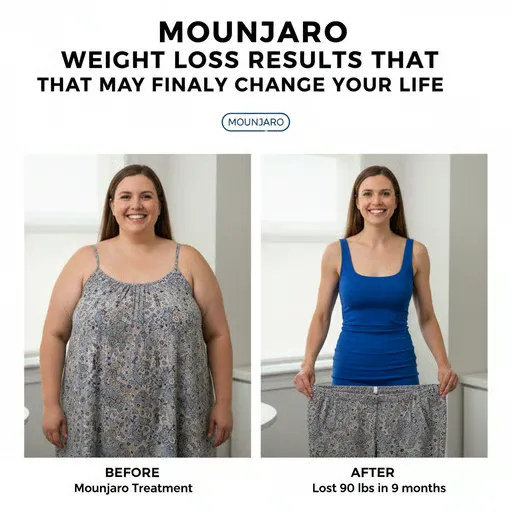
- Guidelines references (NICE, Royal College of GPs, obesity or diabetes societies) rather than only "before-and-after" photos.
- No pressure to pay large sums without proper assessment.
You are also allowed to shop around between options, ask for written summaries, and always keep your GP informed if you start a new treatment.
Conclusion: Building your best weight loss path in Northampton
In Northampton, the best weight loss treatment tends to be a person-centred, medically supervised plan that combines healthy eating, regular activity, behaviour change, and, when appropriate, medical interventions like GLP-1 injections or bariatric surgery. No single option fits everyone, but with the right support, realistic goals, and local resources, people in Northampton can achieve meaningful, sustainable weight loss that improves both body and health.
Whether you are starting with your GP, exploring local weight management services, asking about medications like Wegovy or Ozempic, or considering bariatric surgery, the key is to involve qualified professionals, ask questions, and focus on long-term habits rather than short-term numbers.
Other places in the UK
Browse the UK locations index. Nearby: Luton, Milton Keynes, Coventry.