
Overview
Weekly weight loss treatments have moved from niche treatment to mainstream conversation rather quickly. A few years ago, most people outside obesity medicine probably had not heard of them. Now they show up everywhere, from GP discussions to WhatsApp groups to celebrity headlines.
That rise in attention makes sense.
For people who have spent years cycling through diets, losing weight and regaining it, or struggling with hunger that feels constant, medicines like Wegovy and Mounjaro may look less like trend products and more like practical help.
And for some, they may be.
These treatments appear to work mainly by influencing appetite signalling, slowing digestion, and increasing satiety. Put simply, many users report feeling full sooner, thinking about food less often, and finding it easier to maintain a calorie deficit.
That could support meaningful weight loss.
But it probably helps to resist the “miracle fix” framing. Medication may assist the process. It does not erase the complexity of weight management. Sleep still matters. Stress still matters. So do eating patterns you may have built over decades.
The main options people compare
Most conversations come back to two medicines.
Wegovy
Wegovy contains semaglutide and is prescribed as a once-weekly injection. Evidence suggests it may support average body weight reductions around 14 percent over extended treatment periods under structured conditions.
“Structured conditions” matters. Clinical trials do not look much like ordinary life. Participants often receive coaching, monitoring, and tighter adherence than someone balancing work, children, and takeaway meals.
Still, Wegovy has fairly broad recognition, and for some patients that familiarity may count in its favour. If you want a practical side-effect guide, see side effects of Wegovy and how to manage them.
Mounjaro
Mounjaro has attracted attention partly because it acts on both GLP-1 and GIP pathways. Some researchers think that dual mechanism may explain why certain studies report greater average weight loss, in some cases around 20 percent.
Potentially—because averages can obscure variation. Some users may respond exceptionally well. Others may not. That is true across obesity treatment.
Some clinicians increasingly see Mounjaro as the stronger option. Others caution that longer-term comparative evidence is still evolving. Both positions seem reasonable.
For a head-to-head overview, read Mounjaro vs Wegovy: the key differences explained.
How these treatments affect hunger
A lot of the benefit appears to come down to appetite regulation.
These medicines may:
- Slow stomach emptying
- Increase satiety
- Support insulin regulation
- Reduce hunger signalling
- Potentially reduce cravings or “food noise”
That last point gets talked about more now. Many users describe it in emotional rather than medical terms: “I stopped thinking about snacks all afternoon.”
Still, appetite suppression does not automatically change emotional eating, reward-driven habits, or convenience eating. Someone may feel less hungry and still order a takeaway out of routine. That can happen—which may be why behavioural support often seems to improve outcomes.
NHS or private access?
This is usually where theory meets reality.
NHS access exists, but it can be limited. Eligibility often depends on:
- BMI thresholds
- Weight-related conditions
- Referral into specialist services
- Clinical risk level
- Ongoing lifestyle support engagement
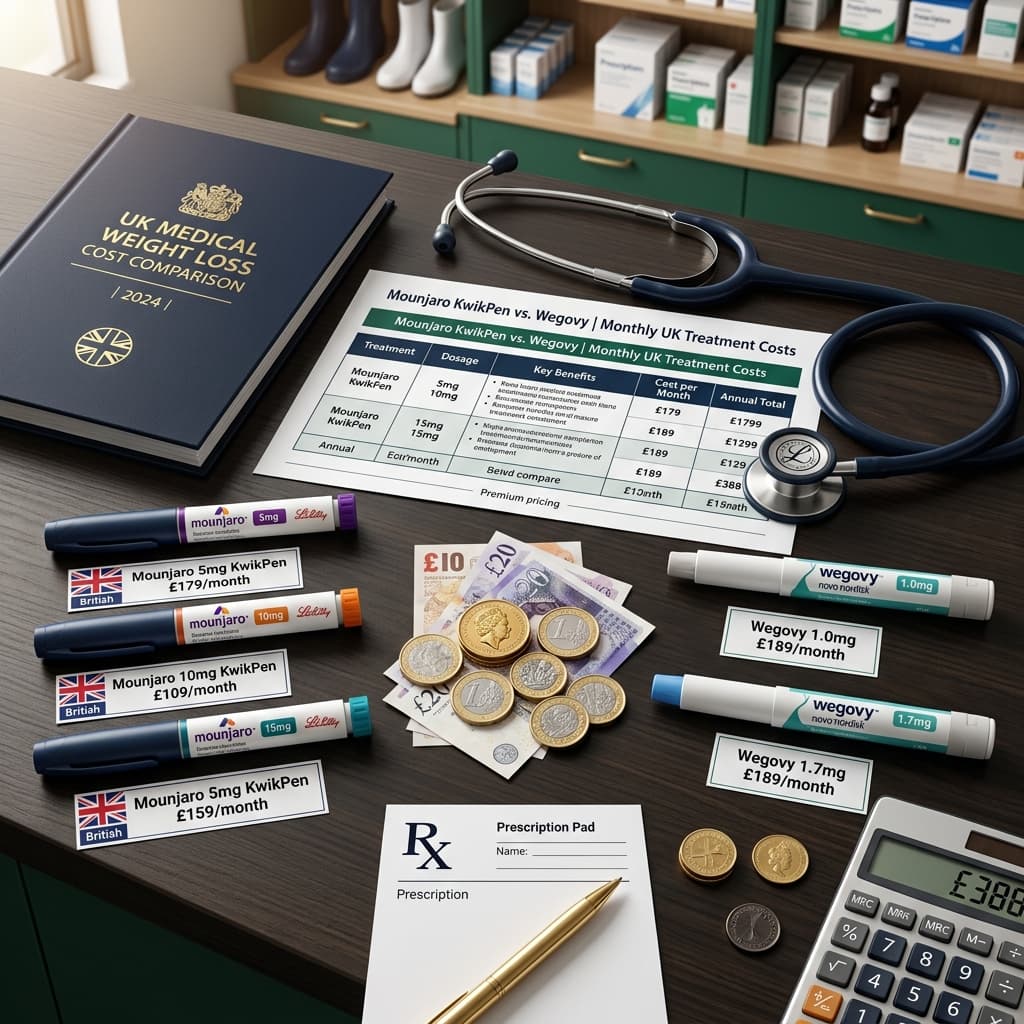
Many people who assume they qualify may find they do not. That can be frustrating. Private routes are often faster, though much more expensive. Roughly £100 to £300 per pen is commonly cited, though pricing varies.
Side effects deserve more attention
This part is often downplayed. Nausea, diarrhoea, constipation, fatigue—these are not rare oddities. They may be part of the adjustment process. Many people tolerate them. Some do not. That distinction matters.
Commonly reported issues include:
- Nausea
- Digestive disruption
- Headaches
- Fatigue during dose escalation
- Injection site irritation
More serious risks, while uncommon, may include pancreatitis or gallbladder complications. That is why supervision matters—this is not really a self-experiment.
What happens after weight loss?
Possibly the hardest question: what happens when treatment stops?
Evidence suggests weight regain may occur, and in some cases quickly. If the biological appetite pressure returns, maintaining previous losses may become harder.
Some obesity specialists increasingly frame this less as short-term dieting and more as chronic condition management. Not everyone likes that framing. Still, it may explain why long-term strategy matters as much as the treatments themselves.
There may be benefits beyond weight
Emerging research suggests these medicines could have wider metabolic and cardiovascular effects. Some studies have reported possible reductions in heart-related risks in certain populations. Others have explored liver-health links.
Encouraging, yes. Conclusive for everyone? Probably not. Many findings are population-specific, so generalising too broadly would be premature.
Practical things that may help
Sometimes the small habits around the injection matter just as much as the injection itself.
A few things that may help:
- Eat slower than usual
- Keep protein intake consistent
- Hydrate more than you think you need
- Track symptoms, not just scale weight
- Use coaching if available
Symptom tracking is often overlooked—then people struggle to explain why they suddenly feel worse at dose changes. A simple notes app can be enough.
Frequently Asked Questions
1. Which weekly weight loss treatment is most effective in the UK?
Current trial averages often show higher weight loss with Mounjaro (tirzepatide) than Wegovy (semaglutide), but “most effective” depends on response, side effects, access, and what you can realistically sustain.
2. Can I lose 10kg in 2 months with Ozempic?
Possibly, but it is ambitious for many people. Early loss depends on starting weight, dose, eating habits and response. Also note Ozempic is primarily licensed for type 2 diabetes, while Wegovy is licensed for weight management.
3. What is the 3-3-3 rule for weight loss?
It is not an official NHS guideline. One common version is 3 balanced meals, 30 minutes of daily movement, and reducing 3 trigger foods. It can be a useful habit structure, but it is not a medical rule.
4. How did Kelly Clarkson really lose her weight?
She has discussed dietary changes, walking, health factors and medical support under clinician guidance. Celebrity transformations usually involve multiple factors rather than one single trick.
5. Can I get these treatments on the NHS?
Possibly, but criteria are strict and vary by region. It often involves BMI thresholds, weight-related risks, and specialist pathway referral.
6. What happens if I stop weekly treatments?
Appetite may return and weight regain can happen, especially if habits and support are not maintained. Plan any stop or switch with your prescriber.
Conclusion
Weekly weight loss treatments may genuinely help some people—especially when persistent hunger and appetite signals make calorie control feel unmanageable. But they are not a miracle fix. They support the process; they do not replace it.
The strongest results usually come when medication sits inside a broader plan: realistic nutrition, manageable movement, better sleep, and regular clinical follow-up.
Health Wise does not sell medicines. This article is general information and is not medical advice.
Sources & further reading
Official UK guidance and published research on the topics covered in this article.
- 1
- 2
- 3
- 4