
Prioritise protein
Helps preserve muscle mass and keeps you fuller for longer.
Science-backed diet strategies
Discover realistic, medically-informed diet approaches that help you lose weight without extreme restrictions.

Balanced nutrition
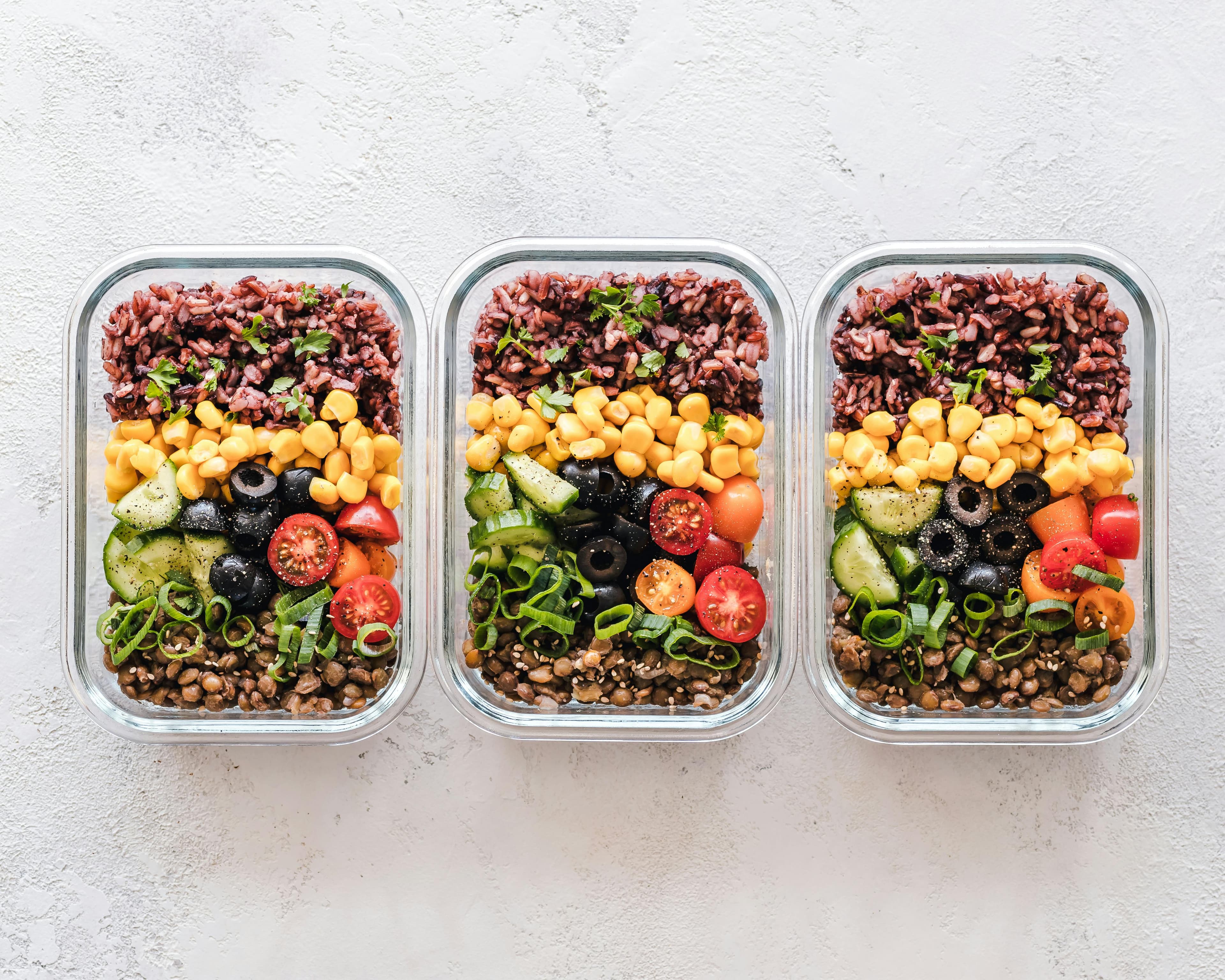
A successful diet isn’t about cutting everything out—it’s about balance. Prioritising protein, fibre, and healthy fats helps stabilise blood sugar and keeps hunger under control.
Instead of focusing on what to avoid, focus on what your body needs to function at its best.
Calorie control
Weight loss happens when you consistently consume fewer calories than you burn. The key is doing this in a sustainable way—without extreme dieting.
Simple strategies like portion awareness, mindful eating, and reducing ultra-processed foods can make a big difference.


Consistency over perfection
Short-term diets often fail because they’re too restrictive. Long-term success comes from habits you can maintain—flexible eating, occasional treats, and realistic expectations.
Progress matters more than perfection.
Helps preserve muscle mass and keeps you fuller for longer.
Supports digestion and reduces hunger spikes.
Drinking enough water can reduce unnecessary snacking.
Highly processed foods are often calorie-dense and less filling.

Movement enhances fat loss and improves overall health. Even light daily activity can support your diet.
Poor sleep disrupts hunger hormones, making it harder to stick to your diet.
Stress can trigger emotional eating. Managing it helps maintain consistency.
Eating at consistent times can improve digestion and appetite control.
For many people, diet alone isn’t enough—especially when hormones and appetite regulation come into play. Medical treatments like GLP-1 medications can support your diet by reducing hunger and improving metabolic balance.
When combined with the right nutrition strategy, they can help you achieve more consistent and sustainable results.
Educational content only—not medical advice. Eligibility for medication depends on clinical assessment and UK prescribing rules.

Learn how protein supports fat loss and muscle retention.
Read moreEasy, realistic meals you can stick to long-term.
Read moreUnderstand how treatments like GLP-1 work with nutrition.
Read moreStraight answers on deficits, carbs, medications, and common diet myths.
Deep dives on treatments, nutrition, pricing, and tools—curated to support this diet pillar.
Recommended for you
Most people benefit from reading independent guides alongside a clinician led plan. Prices and eligibility change often: confirm details on a regulated pharmacy site before you pay.
 Guide
GuideTravelling on Mounjaro is usually straightforward. What insurers ask, why you must declare tirzepatide, what cover to look for, and a pre-trip checklist.
Read → Article
Discover the real reasons belly fat increases after 40 — how oestrogen, testosterone, cortisol, and insulin interact, and what works including GLP-1 options.
Read → Guide
GuideMounjaro and Wegovy do more than reduce weight. From blood sugar control to cardiovascular and liver health, here's what the clinical evidence shows.
Read → Article
Mounjaro KwikPen click calculator for UK patients. Learn how many clicks equal each dose, the full click chart for all 6 pen strengths, units, mL conversions & FAQs.
Read → Guide
GuideThinking of switching from Wegovy to Mounjaro? Why patients switch, clinical differences, how to transition safely, and what to expect during the changeover.
Read → Guide
GuideRapid early weight loss on Mounjaro is normal—but why does it slow? The biology behind initial results, what plateaus mean, and how to keep progressing.
Read →We use cookies for analytics (Google Analytics) to understand how visitors use this site. No personal data is sold or shared for advertising. You can change your choice at any time using “Cookie settings” in the footer.