
Hormonal disruption
Increases hunger hormones and reduces fullness signals.
Weight loss guide
Discover how sleep affects your appetite, metabolism, and energy—and how better rest can accelerate your weight loss results.

Why it matters
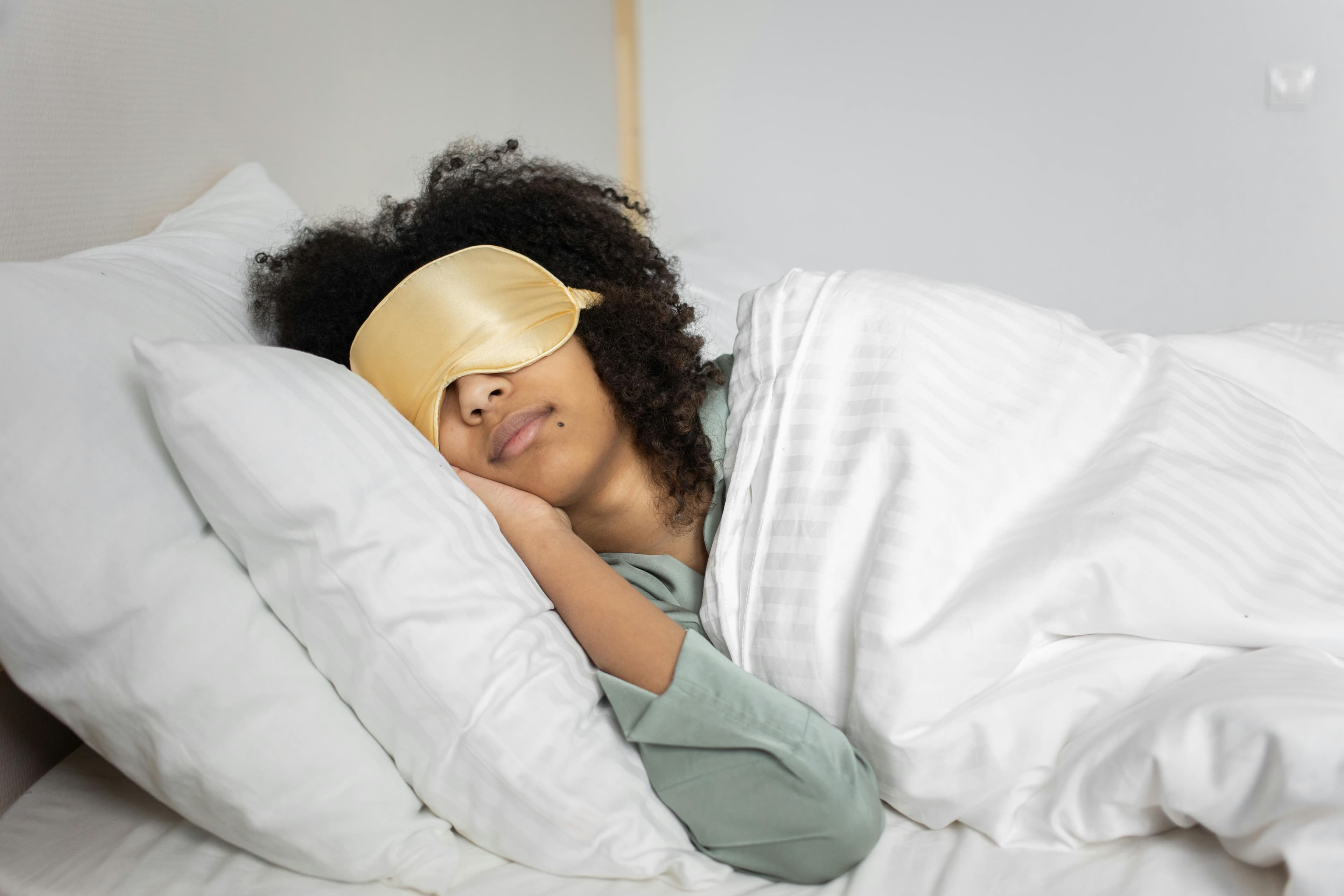
Sleep and weight are deeply linked in a cycle that can either support or sabotage your progress.
Carrying excess weight can disrupt sleep quality, while poor sleep makes it harder to lose weight. When you're tired, your body looks for quick energy—often through food. At the same time, low energy reduces your motivation to exercise.
This combination makes weight loss more difficult, even if your diet is under control.
Increases hunger hormones and reduces fullness signals.
Drives desire for sugary, high-calorie foods.
Reduces your ability to burn calories efficiently.
Affects insulin sensitivity and fat regulation.
Makes you feel hungry even after eating.
Fatigue reduces physical activity levels.
Key research insight on sleep duration and weight
People who sleep less than 5 hours per night are significantly more likely to gain weight.
Short sleep is consistently linked in observational research with higher obesity risk—often alongside appetite changes, lower activity, and disrupted rhythms. Individual risk varies; aim for consistent, adequate sleep as part of any weight plan.
Take control
Improving your sleep doesn't require drastic changes. Small adjustments to your daily habits can significantly improve sleep quality—and support your weight loss journey.

Avoid caffeine after midday to prevent sleep disruption.
Reduce device use before bed to fall asleep faster.
Support natural melatonin production in the evening.
Eating too late can interrupt sleep cycles.
Physical activity improves sleep quality.
Consistent sleep and wake times regulate your body clock.

Sleep works best when combined with other key elements of health. Together, they create a strong foundation for sustainable weight loss.
Supports recovery and stabilises energy levels overnight.
Improves sleep quality and regulates your rhythm.
Helps you fall asleep faster and stay asleep longer.
A structured approach to weight loss that supports your body—day and night.
Better nights make daytime choices easier: appetite, mood, training, and adherence all benefit when sleep is protected alongside nutrition and movement.
Educational content only. Medical weight loss pathways require assessment and UK prescribing rules.

Sleep duration, weight change, naps, alcohol, and how rest fits with treatment plans.
Cross-links for stress, diet, exercise, GLP-1 guides, tools, and comparisons—supporting the sleep + weight loss cluster.
Recommended for you
Most people benefit from reading independent guides alongside a clinician led plan. Prices and eligibility change often: confirm details on a regulated pharmacy site before you pay.
 Guide
GuideEvidence-based UK guide on weight loss treatment, safety, and regulation.
Read → Guide
GuideEvidence-based UK guide on weight loss treatment, safety, and regulation.
Read → Article
Get confident with understanding the Weight Loss Treatment kwikpen: a user guide to your UK weight loss treatment journey.
Read → Article
Discover if Weight Loss Treatment weight loss results can finally change your life and help you shed stubborn kilos.
Read → Article
The complete UK guide to weight loss treatment 2026 covering Weight Loss Treatment treatments, how they work, NHS vs private costs, eligibility, Weight Loss Treatment, Weight Loss Treatment and Weight Loss Treatment explained.
Read → Article
Find the ideal Weight Loss Treatment dosage for weight loss to maximise your results with clear, expert-backed guidance.
Read →