
Stronger bones
Weight-bearing movements increase bone density and reduce fracture risk.
Weight loss guide
Understand how movement, strength, and consistency work together to burn fat, boost metabolism, and support long-term results.
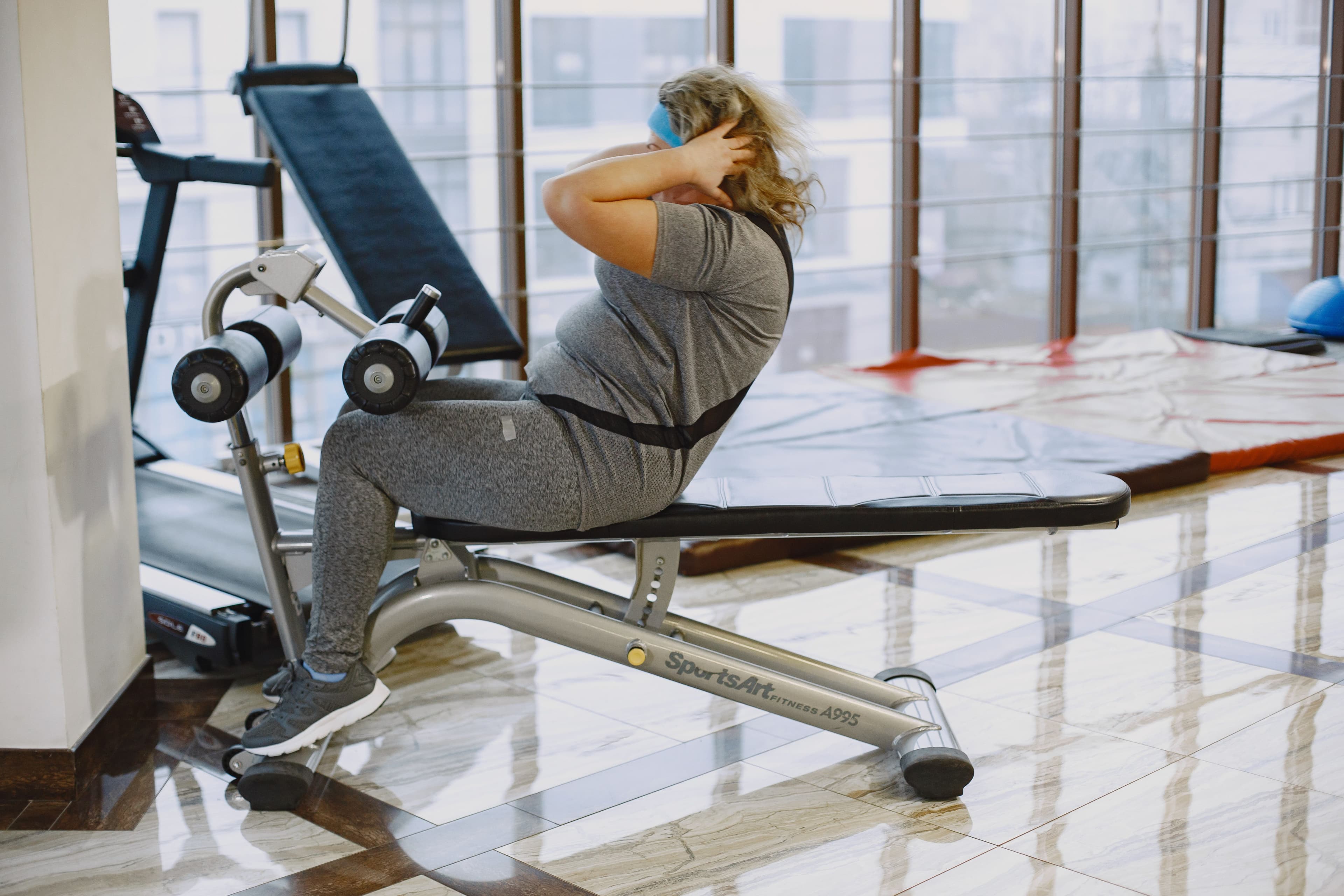

Why it matters
Exercise plays a critical role in sustainable weight loss. While diet controls calorie intake, physical activity increases energy expenditure, supports muscle growth, and improves metabolic health.
Studies consistently show that combining exercise with proper nutrition leads to better long-term weight outcomes compared to dieting alone. But the real value goes beyond the scale—exercise enhances how your body functions daily.
Weight-bearing movements increase bone density and reduce fracture risk.
Supports heart health, blood sugar control, and immune function.
Releases endorphins that reduce stress and anxiety.
Boosts strength, endurance, flexibility, and balance.
Helps regulate sleep cycles for deeper rest.
Burns calories and supports long-term fat loss.
Training intensity
Not all exercise feels the same—and that's important. Moderate-intensity activities like brisk walking or cycling allow you to talk but not sing. Vigorous exercises like running or swimming push your limits, making conversation difficult.
For optimal results, aim for:
Combining both often gives the best outcome for fitness and weight management.


Training types
Cardio exercises like running, cycling, and swimming elevate heart rate and are highly effective for calorie burning.
Resistance training—using weights or bodyweight—builds muscle, which increases metabolism and helps your body burn more calories even at rest.
The most effective strategy? Combine both.
Small movements throughout the day reduce sedentary time.
Replacing sitting improves metabolic health.
Accessible, low-impact, and highly effective.
Powerful for fat loss and cardiovascular health.
Great for endurance and joint-friendly cardio.
Builds strength without equipment.

Exercise alone isn’t enough. Sustainable results come from combining multiple factors.
Fuel your body with balanced meals to support performance and recovery.
Recovery is where progress happens—poor sleep slows results.
High stress can disrupt hormones and increase cravings.
Small habits, repeated daily, outperform extreme efforts.
Structured guidance, personalised plans, and ongoing support.
Pair movement with nutrition insight, progress tracking, and clinician-led pathways where appropriate—so your plan stays realistic week to week.
Educational only. Medication and coaching access depend on UK prescribing rules and provider assessment.
Learn how to structure meals for fat loss.
Read morePractical tips for staying comfortable on treatment.
Read moreWhy water matters more than you think while losing weight.
Read moreVolume, intensity, cardio vs strength, and how exercise fits with diet and treatment.
Internal routes across diet, tips, treatments, guides, and tools—built for the “weight loss exercise” cluster and supporting pages.
Recommended for you
Most people benefit from reading independent guides alongside a clinician led plan. Prices and eligibility change often: confirm details on a regulated pharmacy site before you pay.
 Guide
GuideEvidence-based UK guide on weight loss treatment, safety, and regulation.
Read → Guide
GuideEvidence-based UK guide on weight loss treatment, safety, and regulation.
Read → Article
Get confident with understanding the Weight Loss Treatment kwikpen: a user guide to your UK weight loss treatment journey.
Read →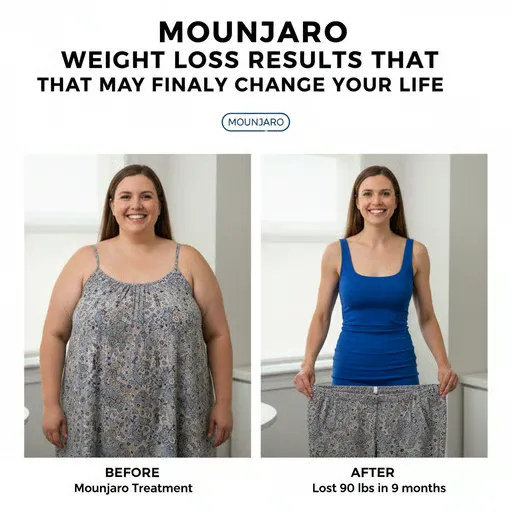 Article
Discover if Weight Loss Treatment weight loss results can finally change your life and help you shed stubborn kilos.
Read → Article
The complete UK guide to weight loss treatment 2026 covering Weight Loss Treatment treatments, how they work, NHS vs private costs, eligibility, Weight Loss Treatment, Weight Loss Treatment and Weight Loss Treatment explained.
Read → Article
Find the ideal Weight Loss Treatment dosage for weight loss to maximise your results with clear, expert-backed guidance.
Read →