
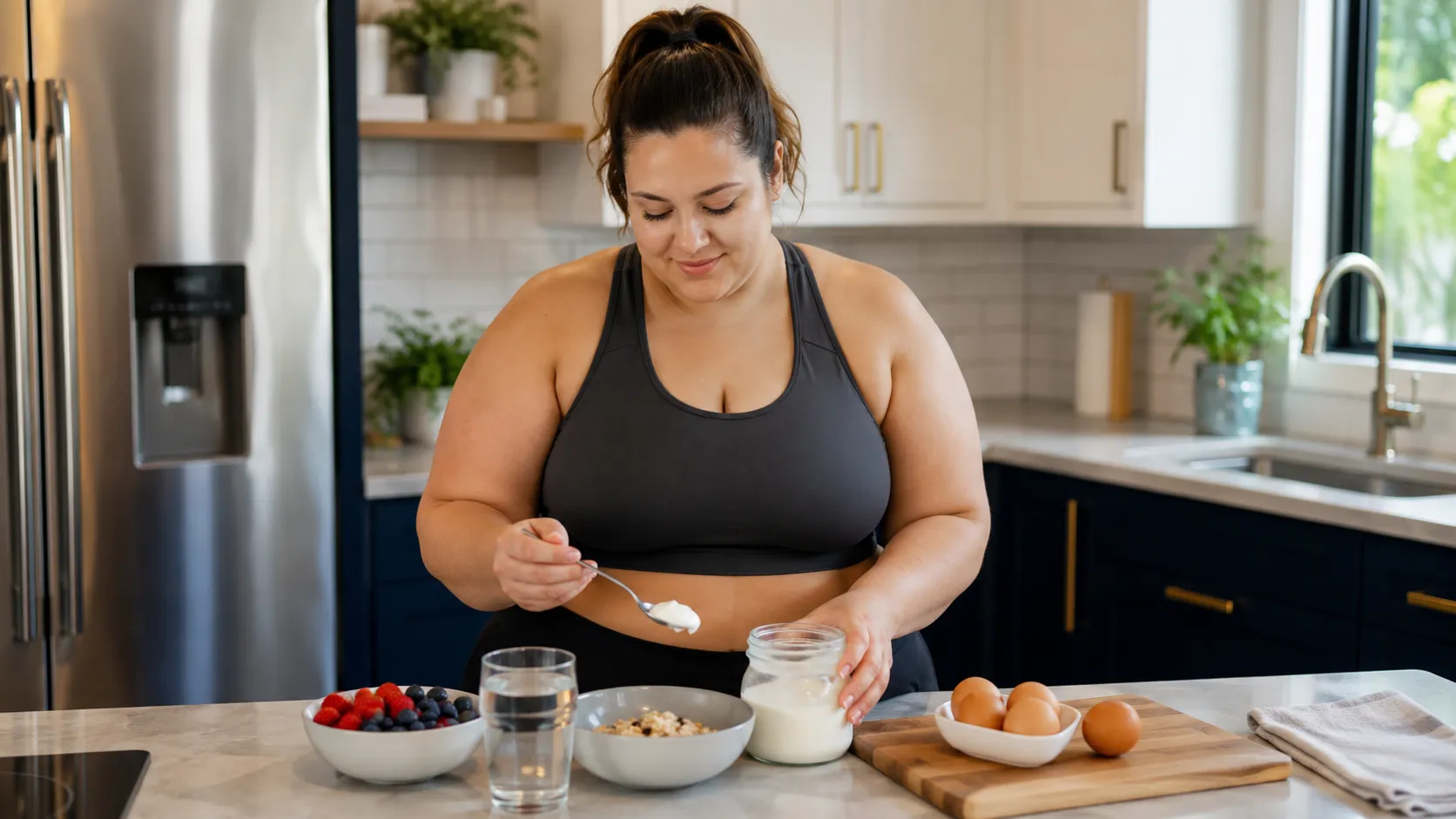
Protein for GLP-1 Users UK: Food First, Supplements Second
Protein matters for many people using GLP-1 weight loss treatment because appetite can reduce, portions may become smaller, and eating enough nourishing food can become harder. However, protein is not a magic weight loss supplement, and it should not be treated as a replacement for prescribed treatment, balanced meals, or professional advice.
For UK users taking Wegovy, Mounjaro, semaglutide, tirzepatide, or Wegovy Pill, the best approach is usually simple: start with protein-rich foods first, then consider supplements only if they genuinely help fill a practical gap.
This guide explains why protein matters during GLP-1 treatment, which foods may help, when protein powder may be useful, and how Healthwise360 users can compare weight loss treatment support safely.
Healthwise360 does not prescribe medication or provide personal nutrition plans. Instead, it helps users compare weight loss treatment prices, provider safety, pharmacy checks, and practical support before choosing where to start a consultation.
Why Protein Matters for GLP-1 Users
GLP-1 medicines may reduce appetite and help users feel fuller for longer. As a result, some people naturally eat less.
However, eating less can also mean eating less protein. This matters because protein supports muscle maintenance, tissue repair, fullness, and general diet quality.
Therefore, a person using GLP-1 treatment should not focus only on the number on the scale. They should also think about what kind of weight they are losing.
A safe weight loss plan should aim to support fat loss while protecting strength, energy, and long-term health as much as possible.
What Should GLP-1 Users Know About Protein?
Protein can support GLP-1 users, but it should be approached carefully and practically.
The key points are:
- Food should usually come first.
- Protein powder is optional, not essential.
- Smaller meals may need better planning.
- Protein does not replace Wegovy, Mounjaro, or clinical advice.
- High-protein diets are not suitable for everyone.
- People with kidney disease or complex medical conditions should ask a clinician or dietitian.
- Strength training and movement also matter for maintaining muscle.
In other words, protein is part of the support plan. It is not the whole plan.
Protein Is Not a GLP-1 Medicine
Protein powder, protein bars, collagen drinks, and amino acid supplements are not GLP-1 medicines.
This is important because some supplement marketing now uses phrases such as “GLP-1 support,” “natural Ozempic,” “appetite control,” or “Mounjaro alternative.” However, these phrases can confuse users.
Wegovy, Mounjaro, semaglutide, and tirzepatide are prescription medicines. Protein products are nutrition products.
Therefore, Healthwise360 should always separate three ideas:
- Prescription GLP-1 treatment
- Food and lifestyle support
- Supplement marketing
For more context, users should read the GLP-1 supplements UK guide and Are GLP-1 supplements real? articles on Healthwise360.
Food First: The Best Protein Sources for Most Users
For most GLP-1 users, the first step is not buying a supplement. It is making normal meals more protein-aware.
Good food-first protein options include:
- Eggs
- Fish
- Chicken or turkey
- Lean meat
- Greek yoghurt
- Cottage cheese
- Milk or fortified dairy alternatives
- Tofu
- Tempeh
- Lentils
- Chickpeas
- Beans
- Edamame
- Nuts and seeds in sensible portions
Besides that, protein foods can be combined with vegetables, wholegrains, and healthy fats to make meals more balanced.
This matters because GLP-1 users may eat smaller portions. Therefore, each meal needs to work harder nutritionally.
Why Smaller Portions Need Better Planning
When appetite drops, some people skip meals or eat very little. At first, this can feel like success because calories are lower.
However, if meals become too small or poorly balanced, users may feel tired, weak, constipated, or less able to exercise.
Therefore, the goal should not be “eat as little as possible.” A better goal is “eat enough of the right foods to support steady progress.”
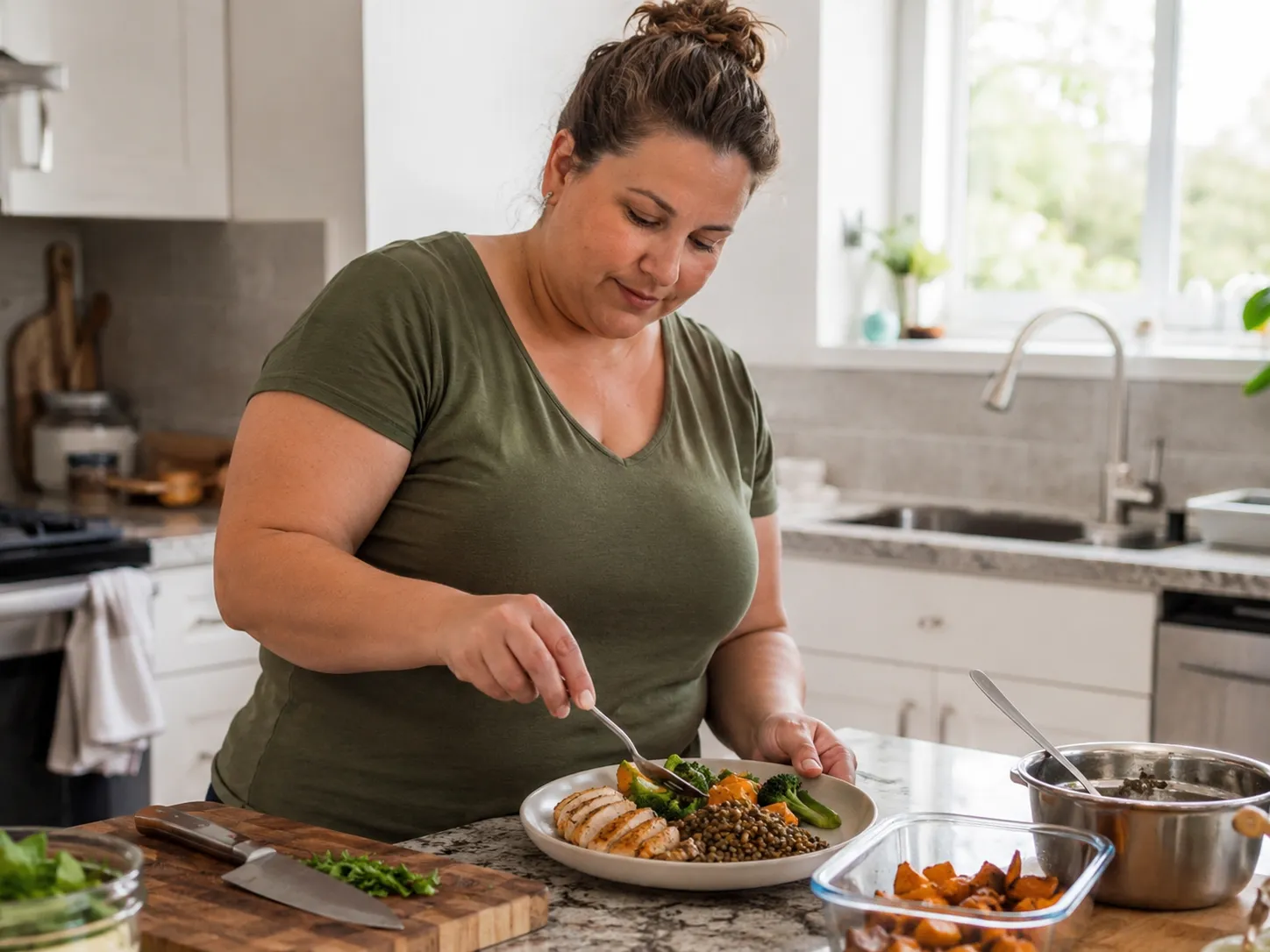
A simple plate structure may help:
- Protein first
- Vegetables or salad
- Fibre-rich carbohydrates where suitable
- Fluids across the day
- Small amounts of healthy fats
This does not need to be complicated. It simply means thinking ahead before appetite disappears.
Should GLP-1 Users Take Protein Powder?
Protein powder may be useful for some GLP-1 users, but it is not required for everyone.
It may help if someone:
- Struggles to eat enough protein from meals
- Feels full very quickly
- Needs a small, easy option after exercise
- Has a busy routine
- Wants a simple breakfast addition
- Finds meat or large meals difficult
- Needs support between meals
However, protein powder can also be unnecessary, expensive, or poorly tolerated. Some shakes are high in sugar, some bars are high in calories, and some products contain ingredients that may upset digestion.
Therefore, users should choose carefully and avoid products that promise unrealistic weight loss. If you do want a practical option when meals feel hard, browse our high-protein nutrition collection for complete protein shakes, bars, and starter kits rather than random “GLP-1 alternative” supplements.
Protein Powder vs Protein Food
Protein powder can be convenient, but food gives more than protein. Whole foods may also provide fibre, vitamins, minerals, texture, and satisfaction.
Here is a simple comparison:
| Option | Benefits | Watch Outs |
|---|---|---|
| Eggs | Affordable, versatile, filling | May not suit everyone |
| Greek yoghurt | Easy, soft texture, breakfast-friendly | Check sugar content |
| Chicken or fish | High protein, meal-friendly | Portions may feel large |
| Beans and lentils | Protein plus fibre | May cause bloating for some |
| Tofu or tempeh | Plant-based protein | Taste and texture preference |
| Protein powder | Convenient, small volume | Can be expensive or over-marketed |
| Protein bars | Portable | Often high in calories or sweeteners |
The best choice depends on appetite, digestion, budget, and preferences.
How Much Protein Do GLP-1 Users Need?
There is no single protein target that fits everyone. Needs can vary depending on age, body size, activity level, health conditions, and weight loss goals.
Because of this, Healthwise360 should avoid giving a universal protein prescription.
Instead, the article should guide users to ask better questions:
- Am I eating protein at most meals?
- Am I losing strength?
- Am I exercising or doing resistance training?
- Am I feeling unusually tired?
- Am I relying only on shakes?
- Do I have kidney disease or another medical condition?
- Would a registered dietitian help?
For many users, the practical starting point is to include a protein source with each main meal. However, people with medical conditions should ask a clinician or dietitian before increasing protein significantly.
Before starting or adjusting treatment, you can also check your BMI for weight loss treatment to understand whether you are likely to meet typical eligibility criteria for medicines such as Wegovy or Mounjaro.
Protein and Muscle Loss During Weight Loss
When people lose weight, they may lose both fat and lean mass. This can happen with many weight loss methods, not only GLP-1 medicines.
Therefore, protein matters because it can support muscle maintenance, especially when combined with resistance training or regular movement.
However, protein alone is not enough. Muscles need a reason to stay.
Useful support habits include:
- Strength training
- Walking
- Enough protein
- Enough hydration
- Enough sleep
- Not under-eating too aggressively
- Regular progress review
For this reason, Healthwise360 should connect this article with future content on GLP-1 and muscle loss, strength training during weight loss treatment, and protein and Mounjaro support.
While tracking progress, it can help to track your weight loss progress so changes in strength and body composition are easier to discuss with your clinical team.
Protein and Side Effects
Some GLP-1 users experience nausea, constipation, diarrhoea, or reduced appetite. These side effects can make protein planning more difficult.
If nausea is present, large heavy meals may feel uncomfortable. Therefore, smaller meals may work better.
Some users may tolerate:
- Greek yoghurt
- Scrambled eggs
- Soup with lentils or chicken
- Smoothies with protein
- Cottage cheese
- Soft tofu
- Fish
- Small portions of lean meat
However, if side effects are severe or persistent, users should speak to a pharmacist, prescriber, or healthcare professional.
Protein should support comfort, not make symptoms worse.
Protein and Constipation
Constipation is a common concern for people using GLP-1 treatment. Sometimes, users increase protein but forget fibre and fluids.
That can make digestion worse.
Therefore, protein should be paired with:
- Vegetables
- Beans or lentils if tolerated
- Fruit
- Wholegrains
- Fluids
- Gentle movement
For example, Greek yoghurt with berries and oats may be more balanced than a plain protein shake. Lentil soup may offer both protein and fibre. Chicken with vegetables and brown rice may work better than chicken alone.
This is why Healthwise360 should link this article to a future Fibre for GLP-1 Users page.
Animal Protein vs Plant Protein
Both animal and plant proteins can support a healthy diet.
Animal protein options may include eggs, fish, chicken, turkey, lean meat, yoghurt, and milk. These can be useful because they are often protein-dense.
Plant protein options may include beans, lentils, chickpeas, tofu, tempeh, edamame, nuts, seeds, and fortified soy products. These may also bring fibre, which can help with fullness and digestion.
However, some plant proteins can be more filling or harder to tolerate if appetite is low. Therefore, users should adjust portion size and choose what suits their digestion.
The best plan is usually the one a person can follow consistently.
What to Look for in a Protein Supplement
If a GLP-1 user chooses protein powder, the goal should be practical support, not hype.
Look for:
- Clear protein amount per serving
- Low sugar where possible
- Simple ingredient list
- Suitable flavour and texture
- Easy digestion
- Third-party testing where available
- No exaggerated weight loss claims
- No “GLP-1 replacement” marketing
Avoid products that claim to:
- Replace Mounjaro
- Replace Wegovy
- Melt fat
- Switch on GLP-1 like medication
- Guarantee appetite shutdown
- Produce medical weight loss results
If a supplement sounds like a prescription treatment, that is a red flag.
When Protein Supplements May Not Be Suitable
Protein supplements are not right for everyone.
People should get medical advice first if they:
- Have kidney disease
- Have liver disease
- Are pregnant or breastfeeding
- Have eating disorder history
- Have complex diabetes medication needs
- Have unexplained weight loss
- Have severe digestive symptoms
- Are taking multiple medicines
- Are unsure about their protein needs
Besides that, people using GLP-1 treatment should tell their clinician about supplements, vitamins, and herbal products they take.
This helps reduce interaction risks and supports safer treatment monitoring.
Protein Timing: Does It Matter?
For most people, consistency matters more than perfect timing.
However, because GLP-1 users may feel full quickly, it can help to spread protein across the day rather than leaving it all for one large evening meal.
Simple examples include:
- Eggs or Greek yoghurt at breakfast
- Lentil soup or chicken salad at lunch
- Fish, tofu, or lean meat with vegetables at dinner
- A small protein-rich snack if needed
Besides that, if someone exercises, a protein-rich meal or snack after training may help support recovery.
The key is not perfection. The key is making protein easier to eat regularly.
Simple Protein Meal Ideas for GLP-1 Users
Here are simple meal ideas that may suit smaller appetites:
Breakfast Ideas
- Greek yoghurt with berries and oats
- Scrambled eggs with spinach
- Cottage cheese with fruit
- Protein smoothie with milk, yoghurt, or soy drink
- Porridge with added yoghurt or seeds
Lunch Ideas
- Chicken and vegetable soup
- Tuna salad with wholegrain crackers
- Lentil soup
- Tofu and vegetable bowl
- Egg salad with beans or chickpeas
Dinner Ideas
- Salmon with vegetables
- Turkey or chicken with roasted vegetables
- Tofu stir-fry
- Lean mince with beans and vegetables
- Omelette with salad
Snack Ideas
- Boiled egg
- Greek yoghurt
- Cottage cheese
- Edamame
- Small handful of nuts
- Protein shake if food is difficult
These are general ideas, not a personalised diet plan. If mornings feel rushed or appetite is too low for a full plate, our time-saver meal options can help bridge the gap without turning every meal into a complicated prep job.
Practical Protein Options When Food Alone Feels Hard
Food should still come first. However, some GLP-1 users find that appetite drops so quickly that cooking a full meal feels unrealistic. In those moments, a ready-to-drink shake, complete protein powder, or lighter meal option can help you hit a protein target without forcing large portions.
Healthwise360 curates nutrition collections for exactly this kind of practical support. If you want higher protein without gimmicky “natural Ozempic” marketing, start with our protein and fitness collection. If your goal is steadier habits around fullness and routine, explore options that support weight management.
Some people also prefer simpler everyday meals while they adjust to smaller appetites. Our eat healthier collection focuses on complete nutrition for day-to-day eating, while the time saver collection is useful when you need something quick between appointments, work, or training.
These products are nutrition support, not prescription treatment. They should sit alongside food-first habits and clinical advice, not replace Wegovy, Mounjaro, or a clinician-led plan. For wider context on supplement marketing claims, read our GLP-1 supplements UK guide and Are GLP-1 supplements real?.
Frequently asked questions
Do GLP-1 users need more protein?
Some GLP-1 users may need to pay more attention to protein because appetite and portion sizes can reduce. However, protein needs vary by person, so users with medical conditions should ask a clinician or dietitian.
Is protein powder necessary on Wegovy or Mounjaro?
No. Protein powder is not necessary for everyone. It may help if someone struggles to eat enough protein from food, but whole foods should usually come first.
What are good protein foods for GLP-1 users?
Good options include eggs, fish, chicken, turkey, Greek yoghurt, cottage cheese, tofu, lentils, chickpeas, beans, and edamame. The best choices depend on appetite, digestion, budget, and personal preference.
Can protein help prevent muscle loss during weight loss?
Protein can support muscle maintenance, especially when combined with strength training or regular movement. However, it does not guarantee that all weight lost will be fat.
Can protein make GLP-1 side effects worse?
It can for some people, especially if meals are too large, too rich, or too low in fibre and fluid. Smaller protein-rich meals may be easier to tolerate, but severe or persistent side effects should be discussed with a clinician.
Are GLP-1 protein supplements the same as GLP-1 medicines?
No. Protein supplements are nutrition products. Wegovy, Mounjaro, semaglutide, and tirzepatide are prescription medicines and should not be replaced with supplements.
Should I choose plant protein or animal protein?
Both can work. Animal proteins are often protein-dense, while plant proteins may also provide fibre. A balanced plan can include either or both, depending on preferences and tolerance.
What should I avoid in protein supplements?
Avoid products that promise medical-style weight loss, claim to replace GLP-1 medicines, or use exaggerated phrases such as “natural Ozempic” or “Mounjaro alternative.”
Conclusion
Protein can be useful for GLP-1 users, but it should be framed as nutrition support, not a miracle solution. The most sensible approach is food first, supplements second.
For people using Wegovy, Mounjaro, semaglutide, tirzepatide, or Wegovy Pill, appetite may reduce and portions may become smaller. Therefore, planning protein-rich meals can help support strength, fullness, and general diet quality.
However, protein powder is not essential for everyone. It may help some users, but it should not replace balanced meals, clinical advice, or prescribed weight loss treatment. When food alone feels difficult, practical options from our protein and fitness collection can support nutrition without pretending to be a medicine.
Healthwise360 can win this topic by giving users a safer, clearer comparison-led guide: understand treatment, check provider safety, compare price, and build nutrition habits that support long-term weight management.
Health Wise does not prescribe or supply medicines. This page is general information and is not medical advice.
Suggested hashtags: #ProteinForGLP1 #WegovyUK #MounjaroUK #WeightLossUK #GLP1Nutrition #HealthWise #FoodFirst #ComparePrices